/
/

5 Must Have Components of a Website That Works
The rule of thumb is that you have about five seconds to capture someone’s attention once they land on your website. If it takes any longer than that, you’re going to lose traffic and ultimately lose sales.

Unfortunately, most businesses are experiencing this very problem. Their websites are more focused on talking about their own company, instead of talking about their customers and compelling them to buy.
In this article, You are going to learn how to implement the five key components of a website that works—one that successfully captures attention and closes leads.
If you have all five of these components on your website, you will feel confident that you’re getting the most out of your digital marketing efforts. If you don’t, your website is likely losing traffic (and money) to the competition.
Let’s jump in!
1. Place a Tagline Above The Fold
Because those first five seconds on your website are so crucial, the most important place to start on your website is the ‘above the fold’ section. This is a term derived from newspapers—what people immediately see on the top half of the front page. Or in the case of a website, what people immediately see before they scroll down. It’s what captures readers attention, or not.
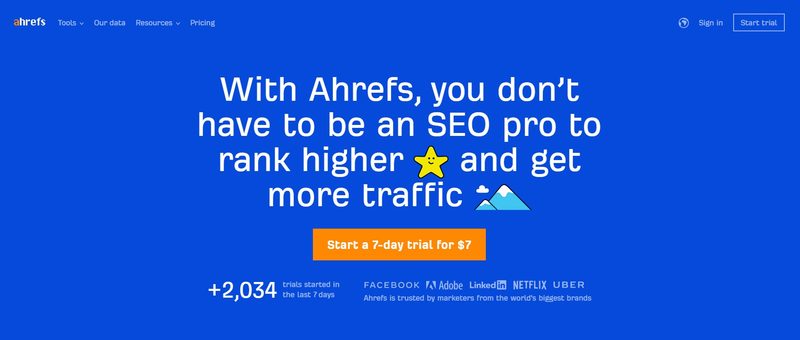
Imagine someone has just typed in a question or searched for a “near me” related to your industry. They’re experiencing a problem and they’re looking to Google for answers. Now, when they arrive at your website’s opening lines, they just need to see these two things to stay hooked:
1. A tagline
2. A concise statement of your offering
Now, I know what you’re thinking. “It takes longer than five minutes to write a tagline and a header!” Well, that’s why we said implement! Wink, wink. You would be surprised how easy it is to create these two components and begin to see results.
All you have to do is tell your visitors what you can do for them in a simple way. Don’t waste the valuable real estate of your above the fold section trying to be cute or clever, or being vague in hopes of attracting a larger audience.
Visitors will leave your website if they can’t read it and think, “Yes, that’s me.” Remember, someone just came to your site looking for what you offer. If you lose them, that’s your fault. But if you want to successfully position your company as the right solution, simply ask yourself this question: How do you make your customer’s life better? The smile you give a satisfied customer—the energy that you feel when you read their testimonial about you—that’s what you should aim to convey above the fold.
A full-service painting company that does interior and exterior projects created a tagline that said, “We Can Paint Anything”. This is all the average Googler needs to know. They don’t need to know about the three things you can’t paint or the 35 things you can, they just need to know you can paint anything.
How will you tell your customer what you can do for them?
2. Have a Clear Call to Action
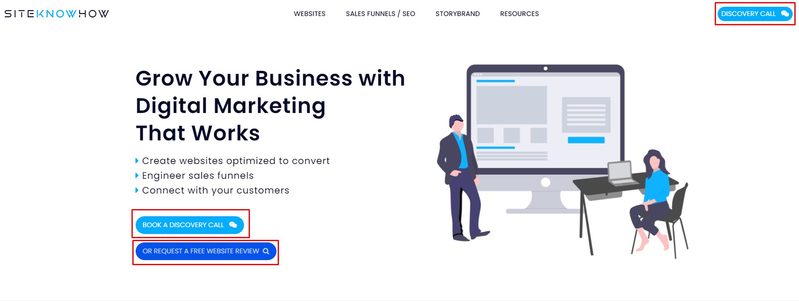
It’s surprising how many websites don’t have a point to them. They aren’t wired to “Buy Now”, so no one does. Effective websites should be designed with a goal in mind. If your website doesn’t have a clear objective, it needs one.
People can’t buy or schedule a call when there isn’t a button to do so. And, in a world of one-click buying, people don’t have the attention span to track down your phone number. Remember, most people land on your website because they were experiencing a problem, searched for an answer on Google, and then found your website. If you address their problem, show them how you can help them solve it, and they see themselves on the other side of their problem after working with you, they will want to buy.
Most companies don’t have a website with compelling content that makes people want to buy, so there’s no need for a call to action. If this sounds like it could be your company, your website is likely underperforming and missing out on revenue-generating opportunities.
If your website does have a clear objective and compelling content, here are examples of call-to-actions that can help take your website across the finish line.
Good call-to-actions:
- Click Here to Buy Now
- Schedule an Appointment Today
- Submit This Form to Get a Quote
- Place an Order Here
Bad call-to-actions:
- Learn More
- Get Started
You should have at least one call-to-action on every page (your home page should have 6-8). Put it this way, the call-to-action button is the point of your entire website. Without it, your website simply won’t work.
3. Show What Success Looks Like For Your Clients
It’s easy for companies to use their website to talk about themselves—what they believe in, pictures of their team, how “dedicated” they are to serving. These self-centred websites simply don’t work. Why? Customers want to mentally check-off these two items when they are looking at your website:
- Do they solve the problem I have?
- Do they solve it quickly, affordably, etc.?
If they have successfully had these two questions answered, now they need to see other customers “smiling” about the way your product has helped them through their problem. This smile comes in the form of images on your site, testimonials, as well as in the actual copy on your site. This image is what people “buy” because of the success that real clients have had becomes the trust that new customers need to see before making a purchase. It’s similar to the word-of-mouth factor. Does your website convey the picture of your customers talking and smiling about your product or service?
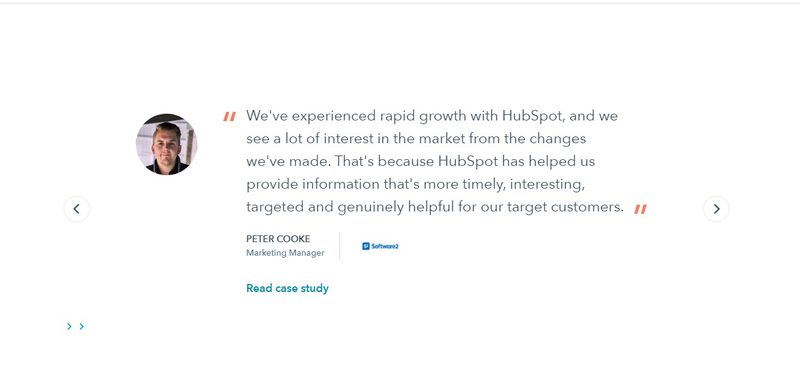
Your company doesn’t have to become someone else to succeed on the internet. You just have to take the story that your customers are already experiencing and reflect it on your website. At the end of the day, the story of customer experience and customer success is what will sell your product. In fact, 92% of customers read online reviews before they buy. It’s the modern-day equivalent of hearing someone talk about your product on the street.
Have you made your website a place where your best clients are talking about you?
4. Be Concise When Describing Your Products
Here’s the problem that most companies run into when they talk about what they do: They use insider language that only their team members or industry experts would understand. Let's call this, “The Curse of Knowledge.” It’s like when you go to the mechanic and he starts telling you what’s wrong with your car, but you don’t have a clue what he’s talking about. All you need to know is that before the car was making this awful noise and that someone here can fix it so it doesn’t make that noise anymore.
Similarly, this is what a visitor needs when browsing your website. This is called speaking your customer’s language. And if you want more customers, you must speak in a way that they can easily understand.
However, most companies struggle to speak in an easily digestible manner. Why? They want so desperately to come across as an expert. The problem is, if your company talks out of the textbook and your customers don’t know the textbook, your customers don’t buy. People simply don’t buy what they can’t understand. Here are some wise words from Albert Einstein that will help you simplify your genius so your customers understand:
“If you can’t explain it to a six-year-old, you don’t know it yourself.”
Albert Einstein
Go through your website asking, little by little, how can we simplify this so a six-year-old would be able to understand? We’ve found that simplification works wonders for helping people take the next step on your website.
5. Create A Clear Brand Message For Your Company
If you’re familiar with any of our other content, you know that you shouldn’t do anything marketing-related until you have created a Clear Brand Message. A clear brand message simplifies what you do so you’re no longer confused about it—and neither is your customer.
In a world where people Google their problems and click on websites for a solution, you need to keep it simple and easy to get a solution.
THE TAKEAWAY:
By implementing all five of these techniques, your company will finally have a website that works. Instead of losing visitors due to their short attention span, your website will successfully engage your audience and get them to buy.
If you need help implementing any components of this checklist on your website, schedule a free consultation.